Kitchen Automation for Commercial Restaurants: A Practical 2026 Guide
What kitchen automation means in 2026
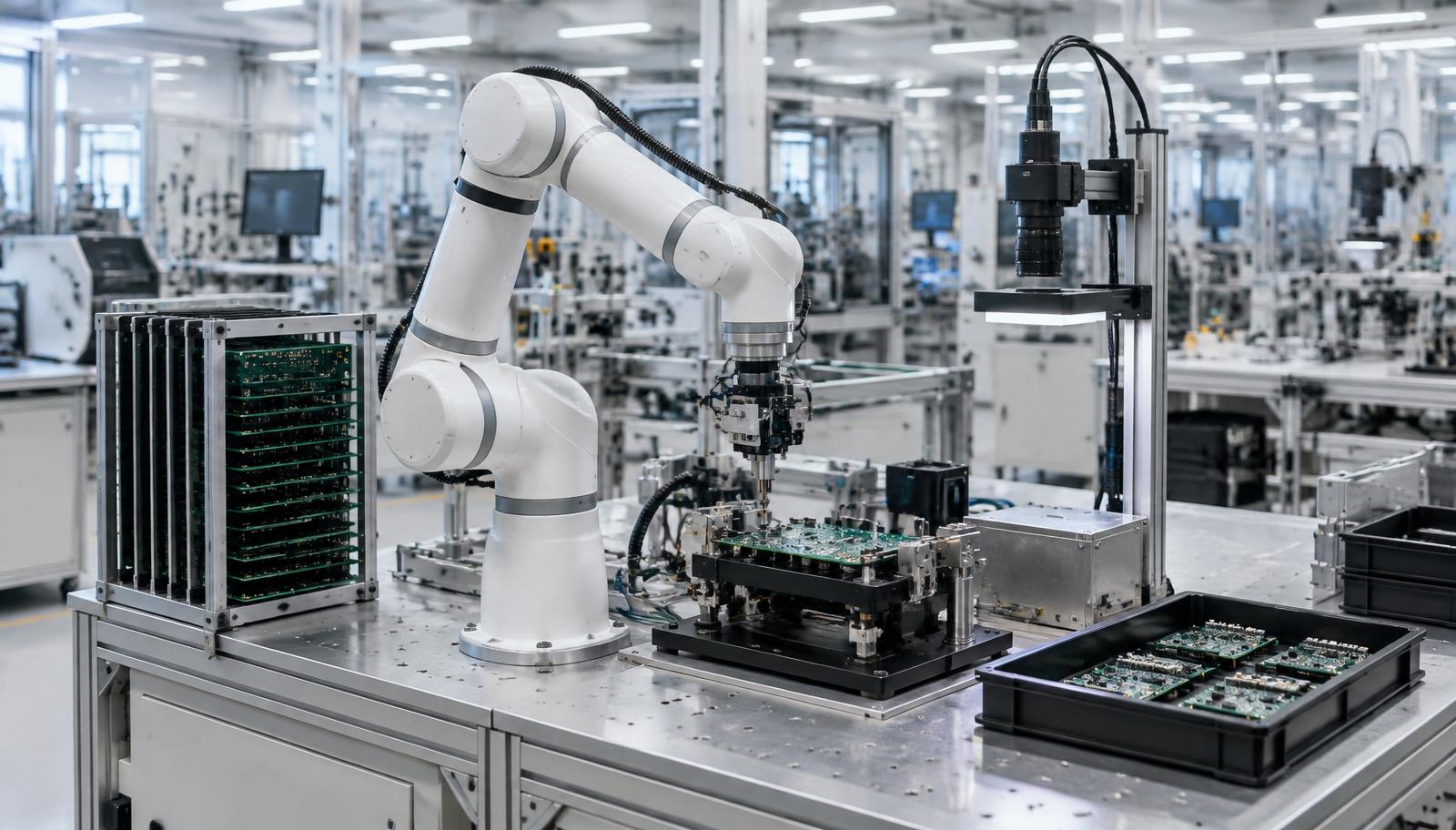
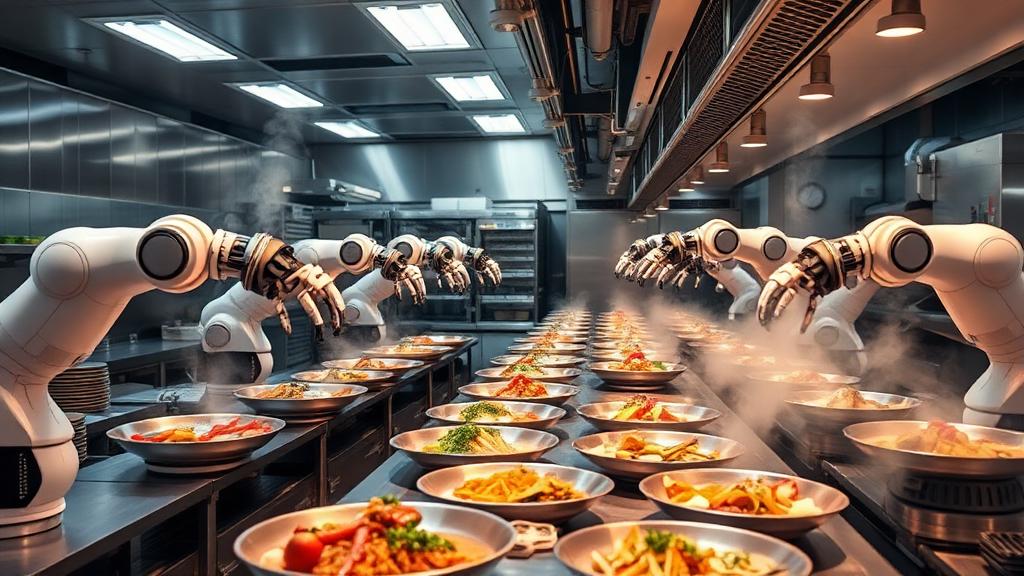
Kitchen automation is the use of machines, cobots and software to take over repeatable kitchen tasks, such as portioning, frying, dishwashing support, tray handling and hygiene checks, so cooks can focus on cooking. It works best on narrow, repeatable tasks. It does not replace a chef.
Start with the right tasks
Good first candidates share three traits: the task is repetitive, the ingredients or items are consistent, and the work is hot, heavy or monotonous.
- Frying and basket handling: repetitive, hot, and easy to define
- Portioning and dispensing: consistent quantities, measurable accuracy
- Tray, rack and dish movement: heavy and repetitive
- Beverage preparation: well-defined recipes and stations
Poor first candidates: tasks with high variation, delicate plating, or frequent recipe changes.
Computer vision for hygiene and food safety
Cameras with AI can support kitchen hygiene by flagging events for a human to review:
- Hairnet and glove compliance
- Handwashing at the right moments
- Raw and cooked items near each other
- Cleaning rounds completed on time
These are review aids that produce a timestamped record for audits. They do not replace a HACCP plan, a food safety manager or lab testing. See our kitchen hygiene and HACCP vision page.
What it really costs
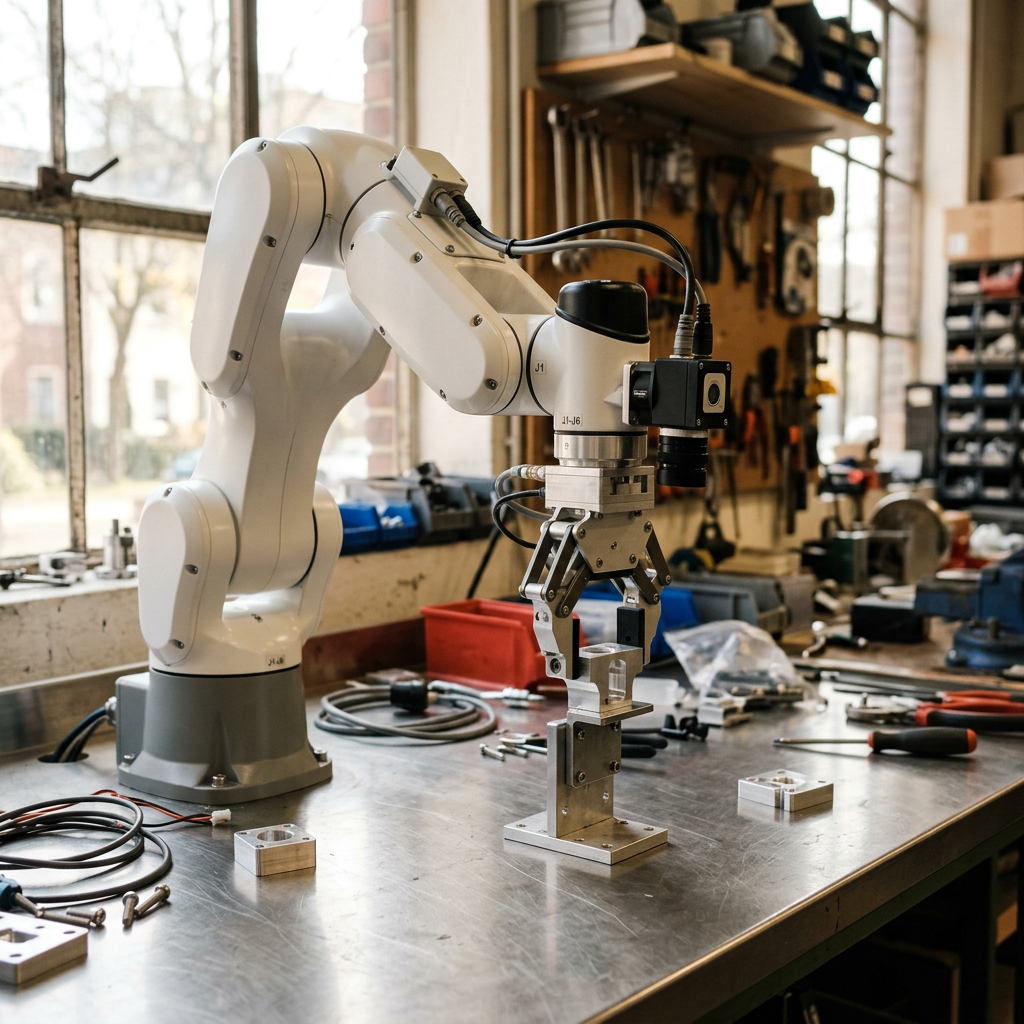
A kitchen cobot cell includes much more than the arm: tooling suited to heat and food contact, guarding, integration with existing equipment, cleaning procedures, a per-site risk assessment and staff training. Food-contact parts must use suitable materials, and some hands and grippers are not rated for wet environments and need protective covers.
Estimate payback for your own task with the free cobot ROI calculator, and read how to calculate cobot ROI honestly.
How to run a pilot
- Choose one station and one task.
- Measure today: output per hour, waste, errors and staff time.
- Install and validate the cell, including cleaning and stop procedures.
- Run a fixed trial period with the same measurements.
- Decide on scale-up with real data.
Safety and hygiene first
Every installation needs a risk assessment covering hot surfaces, oil, sharp tools, staff movement and cleaning. Plan how the cell is cleaned, who can stop it and how it recovers after an interruption.
How smert.ai helps
smert.ai is a systems integrator based in Tsim Sha Tsui, Hong Kong. We integrate cobot arms from established makers with our own computer vision and AI software, and help kitchens scope, pilot and validate automation step by step. Contact us to discuss a station in your kitchen.
FAQ
Can a robot run a whole restaurant kitchen?
Not reliably today. Automation works on specific, repeatable tasks inside a kitchen run by people.
Does computer vision make my kitchen HACCP compliant?
No. It can support monitoring and record keeping, but compliance depends on your HACCP plan and procedures.
Where should a restaurant start?
With one repetitive, well-defined station, measured before and after a short pilot.
Transform Your Business with SMERT Robotics
Ready to experience the benefits of hospitality automation? Our team is ready to help you get started.