ISO 10218:2025, the EU Machinery Regulation and the Cyber Resilience Act: What Robot Buyers Should Know
What changed in robot safety in 2025?
ISO 10218, the international safety standard for industrial robots (Part 1) and robot systems and integration (Part 2), received its first major revision since 2011. The 2025 edition clarifies existing requirements and adds or expands safety functions, including safe speed monitoring, manual high-speed operation (T2), a single point of control, start and restart interlocks and a new "Normal Stop". KUKA's product compliance and software experts summarised these changes in a November 2026 interview.
The most significant shift: cybersecurity is now part of robot safety. If a cyber threat could affect a safety-related function, the risk must be assessed and protective measures put in place.
When do the new EU rules apply?
| Rule | What it covers | Key dates |
|---|---|---|
| Machinery Regulation (EU) 2023/1230 | Replaces the Machinery Directive; covers AI-enabled and connected machinery | Applies from 20 January 2027 |
| Cyber Resilience Act (EU) 2024/2847 | Products with digital elements: security by design, vulnerability handling, security updates | Reporting duties from 11 September 2026; full requirements from 11 December 2027 |
Machinery whose safety behaviour depends on self-evolving AI may need third-party conformity assessment rather than self-declaration. Always confirm the exact obligations for your product and market with a qualified conformity specialist.
What should buyers ask an integrator?
- Which edition of ISO 10218 was applied, and where is the risk assessment?
- How are safety functions protected from network access and unauthorised commands?
- How are vulnerabilities reported and patched, and for how long are security updates provided?
- Does the system stop safely when sensors, cameras or the network fail?
- Which certificates are already granted, and which are still in progress?
How SMERT approaches it
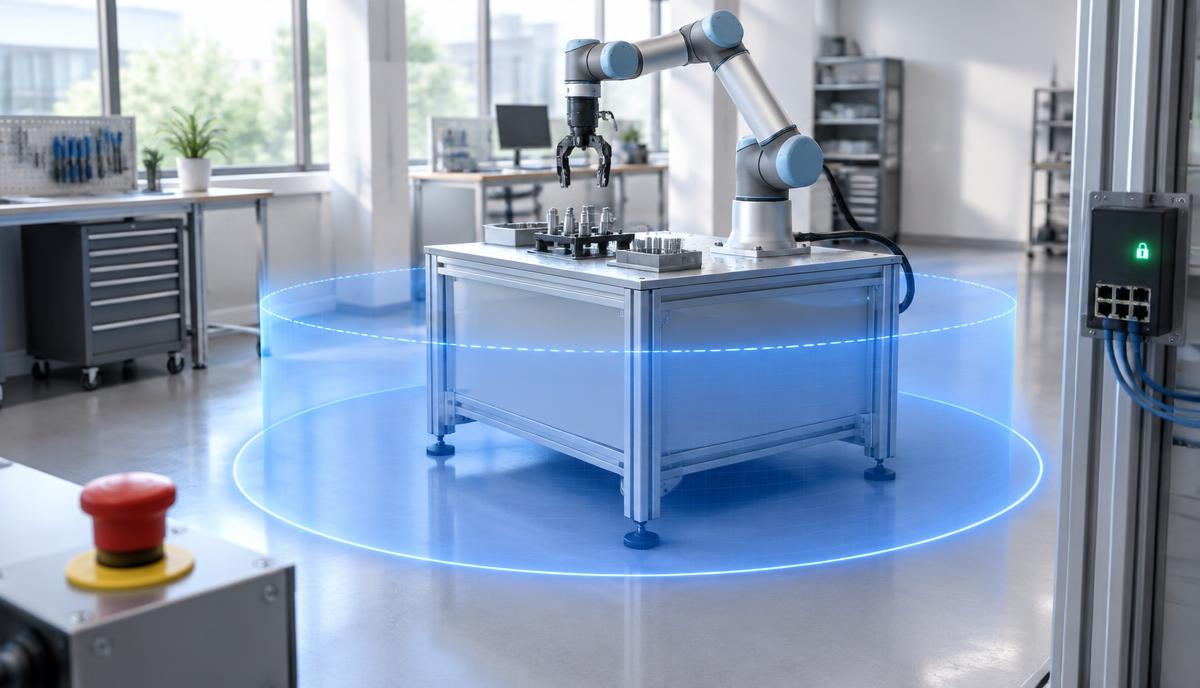
We design our Cobots and Smerty to meet these standards and certify each product per market before sale. Certification is in progress, not yet granted. Today our safeguards are: the physical emergency stop and controller limits as the primary safety layer; arm motion blocked at each site until its workspace is measured and commissioned; camera-based watchers that can only stop motion, never start it; remote commands restricted to an authorised owner with authenticator verification; and arm controllers kept on a private network. These are design measures, not validated performance figures or certification claims.
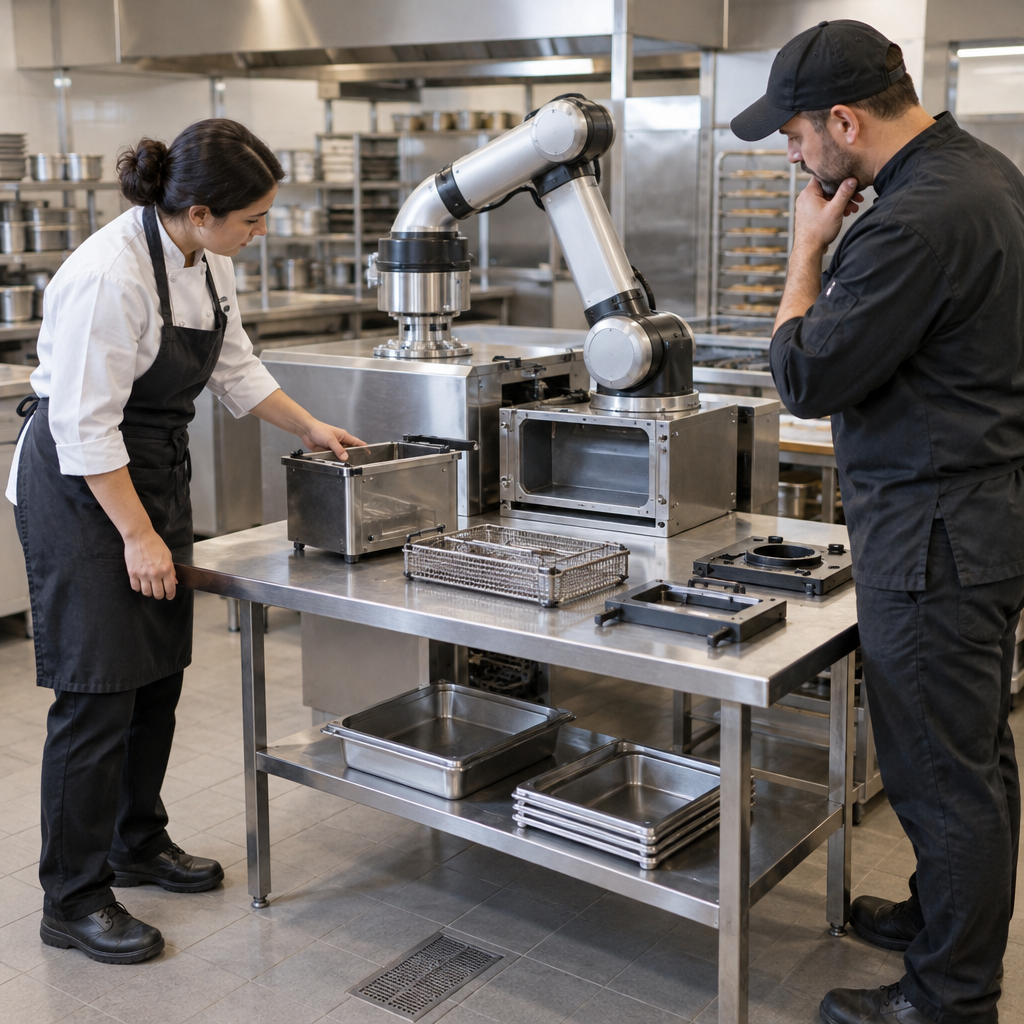
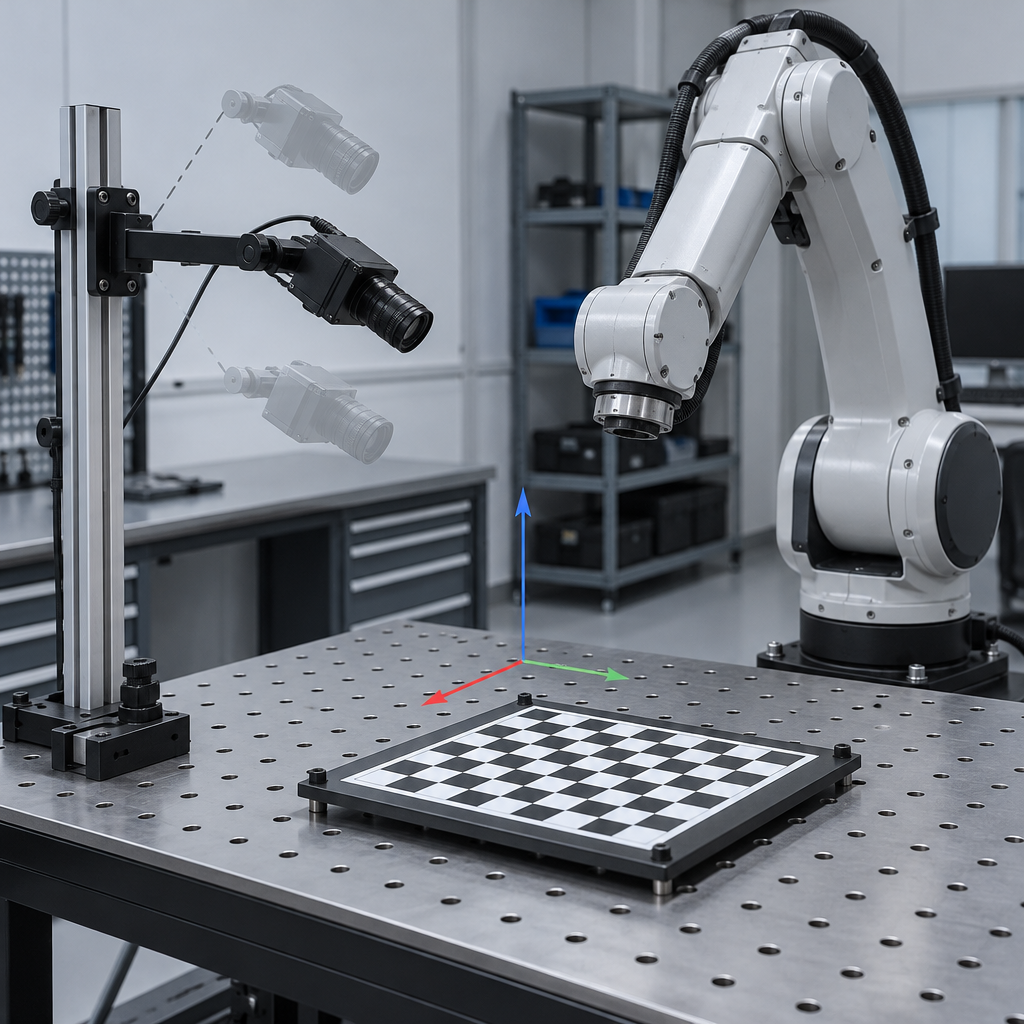
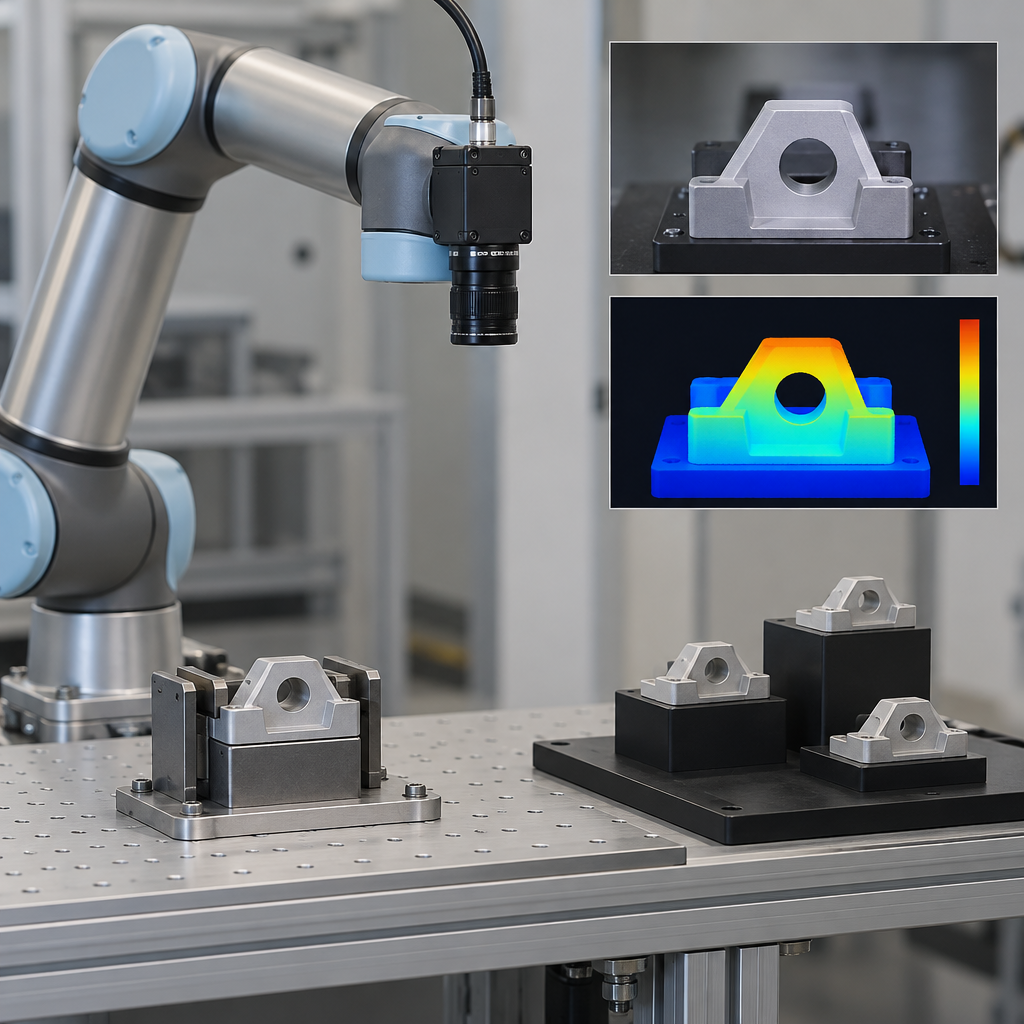
Cover: AI-generated illustration, not a SMERT product photograph.
Related: Cobot integration
Transform Your Business with SMERT Robotics
Ready to experience the benefits of hospitality automation? Our team is ready to help you get started.