Where the Robotics Money Actually Landed in 2026: $23B Raised, Unitree's IPO, and Agility's Public Listing
The numbers
2026 has been the largest capital-formation year robotics has ever seen.
- US$23 billion+ raised globally by robotics startups in 2026, per Crunchbase News — close to the entire prior year, with US$8.6 billion going to humanoids alone (Singularity.Kiwi summary, 26 Aug 2026).
- Unitree listed on Shanghai's STAR Market in August 2026, raising RMB 6.1 billion (≈US$905 million), oversubscribed more than 8,000 times, with shares up over 600% on debut (CNN, 17 Aug 2026).
- Agility Robotics is targeting a fall SPAC close at a US$2.5B pre-money valuation, expanding from Digit deployments at nine customer sites (Bloomberg Technology, via RuntimeWire, 21 Aug 2026).
What the money is buying
Read the flows carefully and a pattern emerges: capital is funding the transition from pilot to manufacturing capacity, not from prototype to pilot. That transition already happened. The open question is unit economics at volume — actuator cost, yield, service cost per machine-year.
That is exactly the phase where the gap between "funded" and "deployable" is widest. A company can be worth billions and still have fewer than a dozen paying sites.
The three-tier reality check
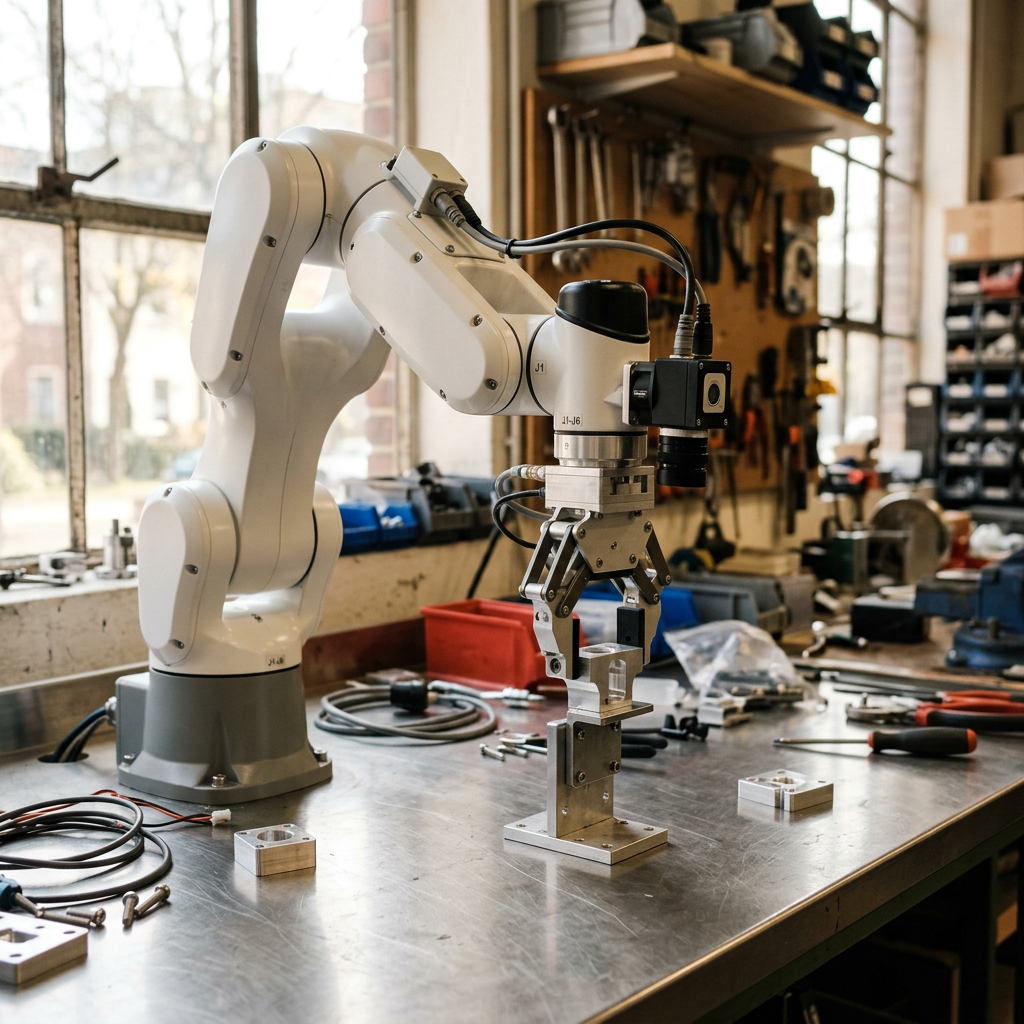
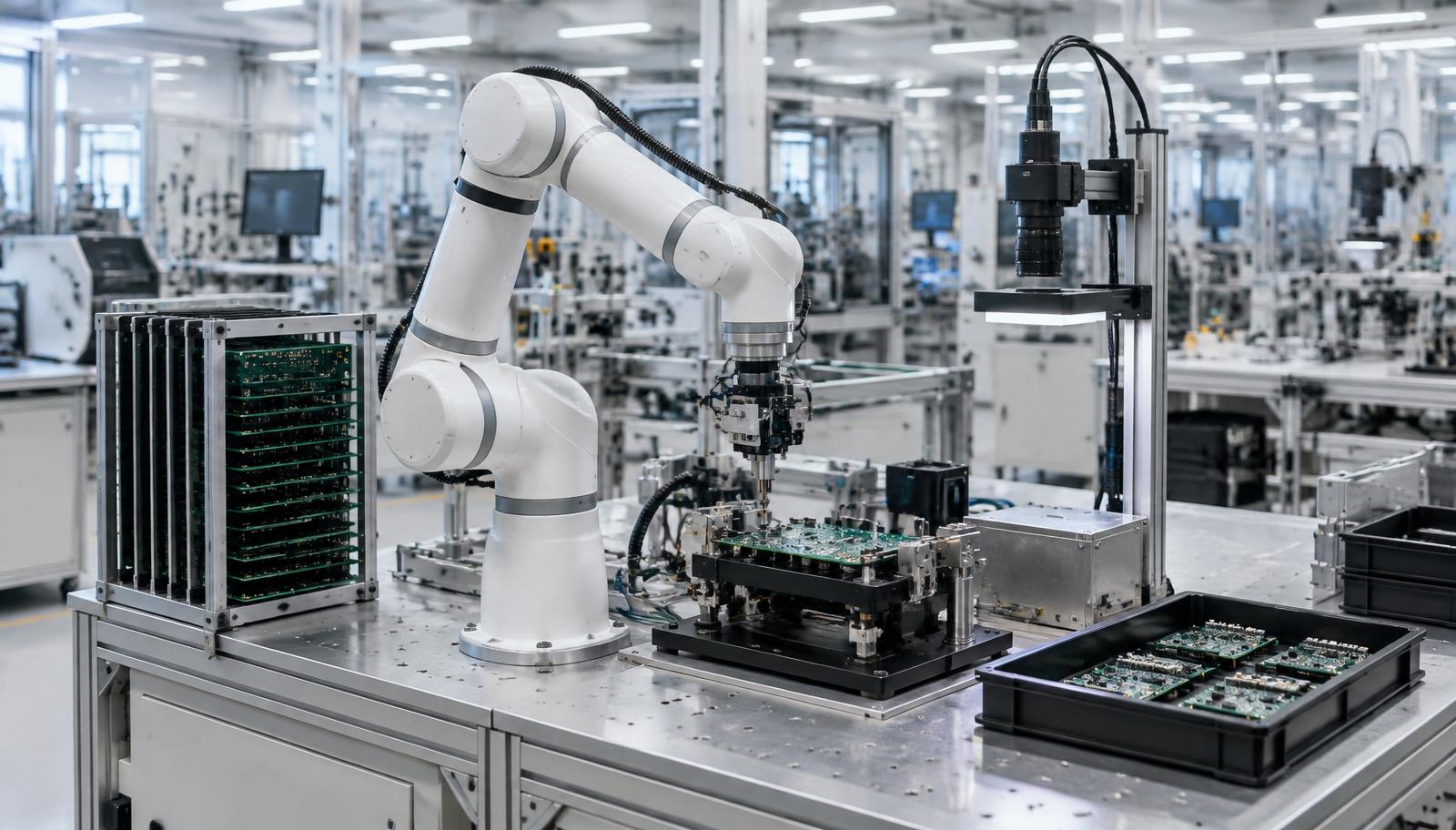
Tier 1 — Shipping in volume, boring, profitable. Six-axis industrial arms and collaborative arms. Machine tending, palletising, dispensing, inspection. Thousands of installs per vendor per year. Payback documented.
Tier 2 — Shipping in units, commercially real. Mobile manipulation, service robotics in hospitality and healthcare, autonomous kiosks. Dozens to hundreds of sites per vendor. Payback modellable, service network thin but real.
Tier 3 — Piloting, capital-rich. General-purpose humanoids. Impressive demos, genuine engineering, small deployed fleets. Buy here only if you have a strategic reason to be an early reference site.
Most operators should buy Tier 1 or Tier 2 this year and watch Tier 3.
What it means for a buyer's negotiating position
Abundant capital changes vendor behaviour in ways you can use:
- Reference-site pricing exists. Vendors chasing deployment counts before a listing will discount for a documented, publishable install.
- Financing is more flexible. Robot-as-a-Service, lease-to-own and revenue-share structures are widely offered in 2026 because vendors want recurring revenue in their numbers.
- Support commitments are negotiable. Ask for response-time SLAs in writing. In a land-grab phase, vendors will sign them.
Do not, however, buy on valuation headlines. Buy on installed base, spare-parts availability, and who shows up when the cell stops at 2 a.m.
How SMERT fits
We sit deliberately in Tier 1 and Tier 2: SMERT Cobots that ship, get certified, and get serviced. We are a Hong Kong-headquartered systems integrator with a Delaware branch — we source proven arms from established manufacturers, add our own AI and computer vision, and build, install and support the complete cell — with 24/7 online assistance and a technician network across APAC, EU and the Americas. Financing runs through outright purchase, staged deposits, or a franchise royalty model that removes the CapEx spike entirely.
See the portfolio: /robotics · run the numbers: /tools/roi-calculator · check total cost of ownership: /tools/tco-estimator · territory partnerships: /franchising.
Transform Your Business with SMERT Robotics
Ready to experience the benefits of hospitality automation? Our team is ready to help you get started.