Multilingual AI Support: How One Assistant Now Replaces 12 Localized Helpdesks
Translation is not localization
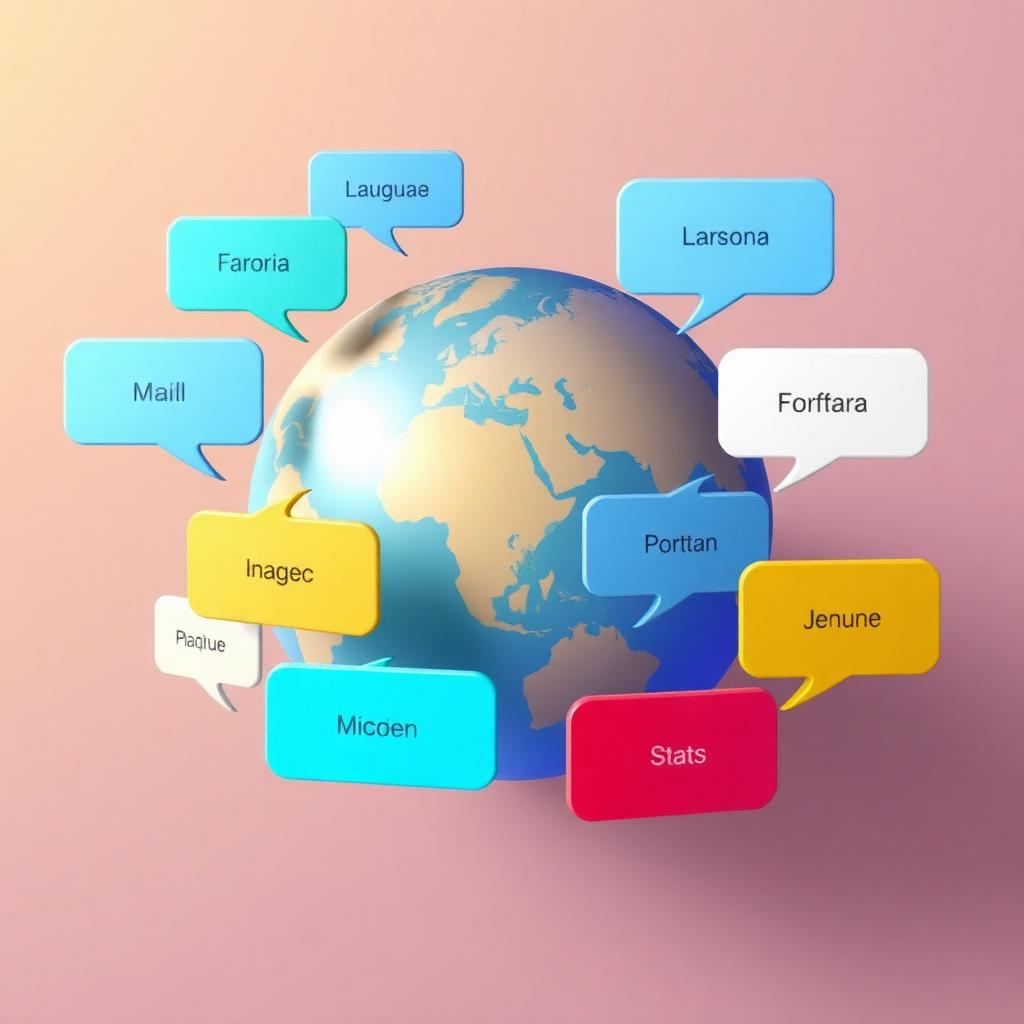
The naive approach — route every ticket through Google Translate, then through an English chatbot — produced years of awful customer experiences. 2026's bar is much higher: native-language reasoning, with tone, formality and cultural context handled in-model.
What changed in the last 18 months
- Frontier LLMs now reason in non-English languages without quality loss
- Voice models speak with regional accents (Cantonese vs. Mandarin, EU vs. LATAM Spanish)
- Sentiment and intent classifiers work across scripts without per-language training
- RAG over multilingual knowledge bases retrieves the right doc regardless of question language
The economics
A mid-sized SaaS company supporting 12 languages previously needed 30–50 native-speaking agents covering business hours across time zones. A single multilingual AI assistant — backed by a small escalation team — now handles 70–85% of tier-1 volume at any hour, in any of those 12 languages, with consistent quality.
What still needs humans
Legal escalations, refund exceptions outside policy, and any conversation where the customer explicitly asks for a person. The assistant's job is to make sure those reach the right human fast — not to fight to keep the ticket.
Transform Your Business with SMERT Robotics
Ready to experience the benefits of hospitality automation? Our team is ready to help you get started.