Humanoid Robotics in 2026: Where the Money, the Pilots and the Reality Actually Are
The year humanoids stopped being a demo reel
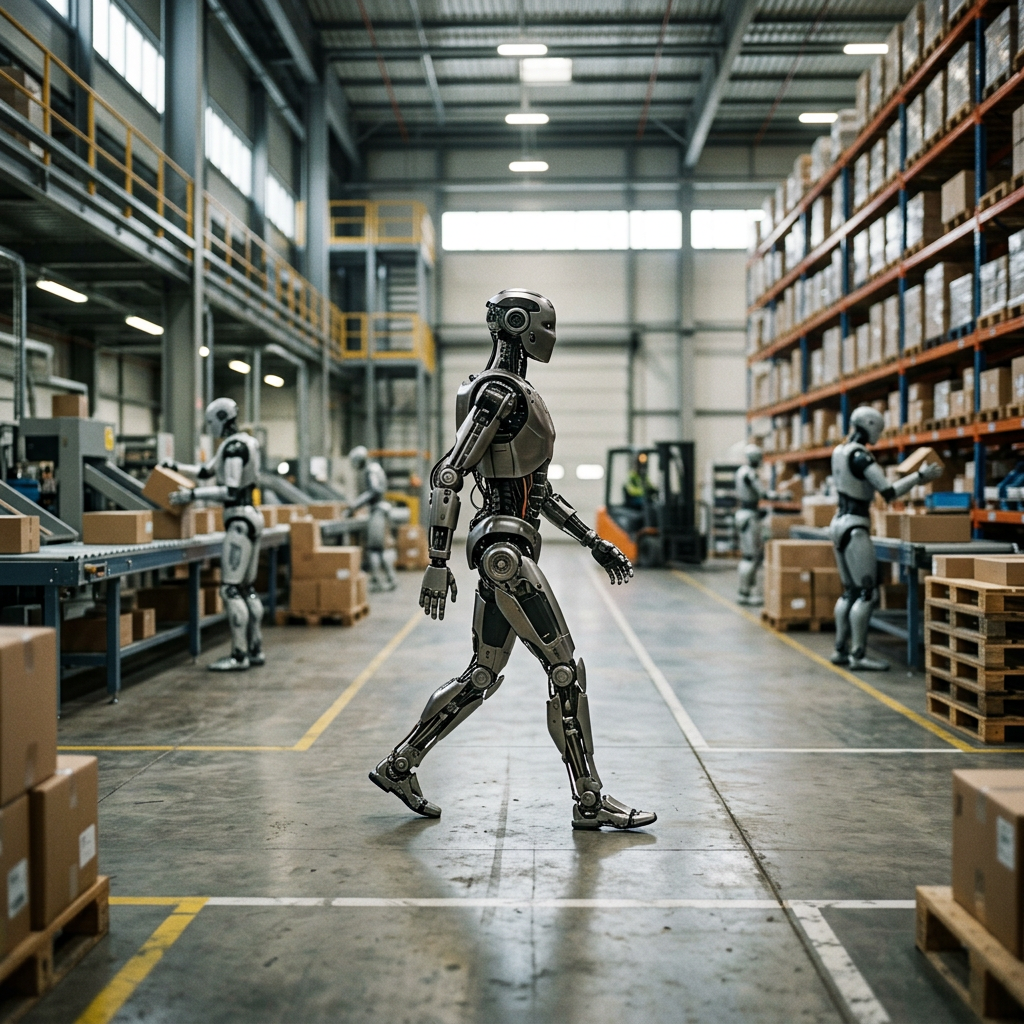
Humanoid robotics spent most of 2024–2025 in showreels. In 2026 the category finally started to look like a real market — with real production lines, real customer deployments, and, for the first time, a public-markets test.
What actually shipped in the last 90 days
- Apptronik opened its expanded Robot Park™ training facility in Austin on June 30, 2026, and unveiled Apollo 2 in both bipedal and wheeled configurations, built to collect real-world work data in partnership with Google DeepMind (source).
- Agility Robotics signalled plans to go public, with CEO Peggy Johnson telling TechCrunch on July 5 that Agility is deliberately focusing on industrial use — not the home — a notable break from the "humanoid in every house" narrative (source).
- Research firms tracking the sector now describe advanced robotics as being in its most significant transformation since the first industrial arms — driven by AI models that let a single robot interpret instructions instead of running hand-written code (source).
The important shift: AI-controlled, not hand-coded
For 40 years, robots ran deterministic programs written for a single task. In 2026, the winning humanoid platforms are being sold on the opposite promise: one robot, trained on real-world data, running large models that generalize across tasks.
That is why every serious humanoid company is now investing more in data collection infrastructure (Apptronik's Robot Park, Tesla's Optimus fleet, 1X's Neo home trials) than in mechanical R&D. Whoever has the largest, cleanest, most diverse operating dataset in 2027 will have the model that wins.
What operators are actually deploying
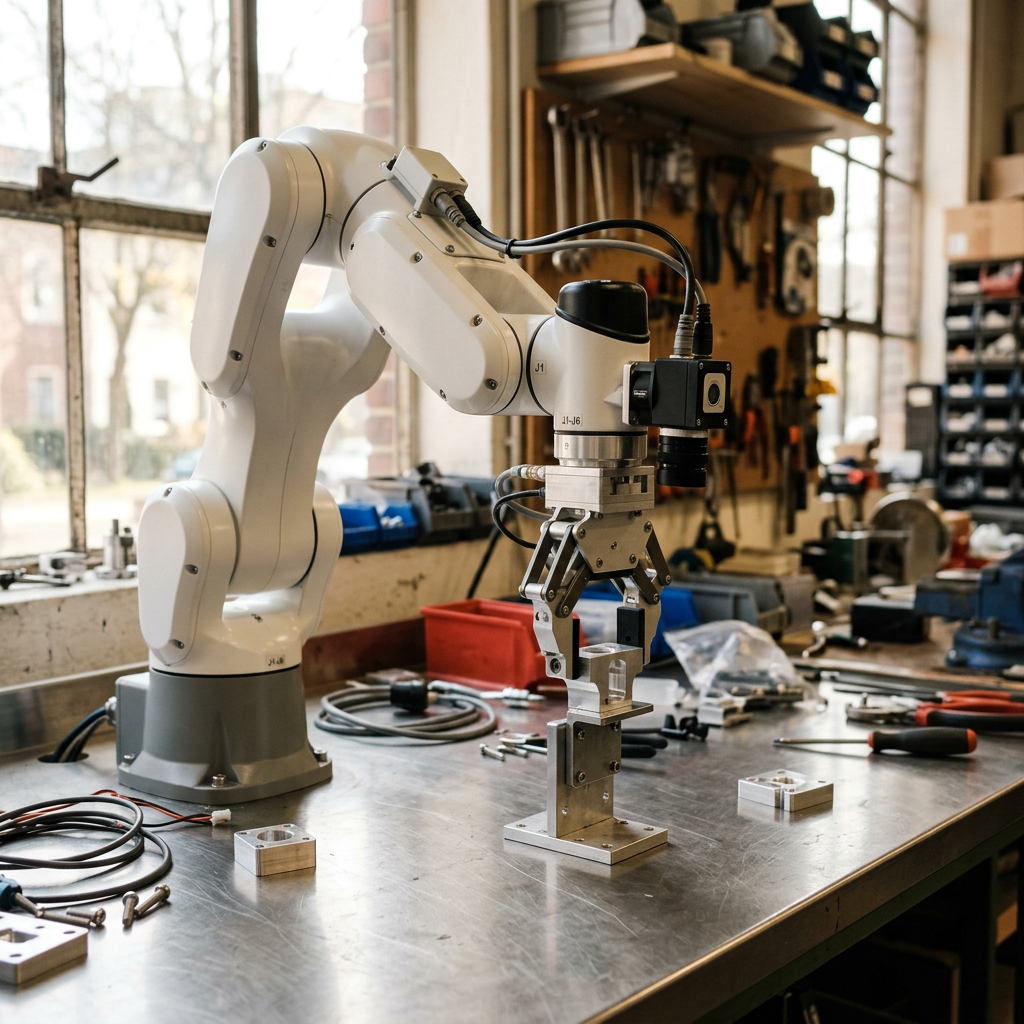
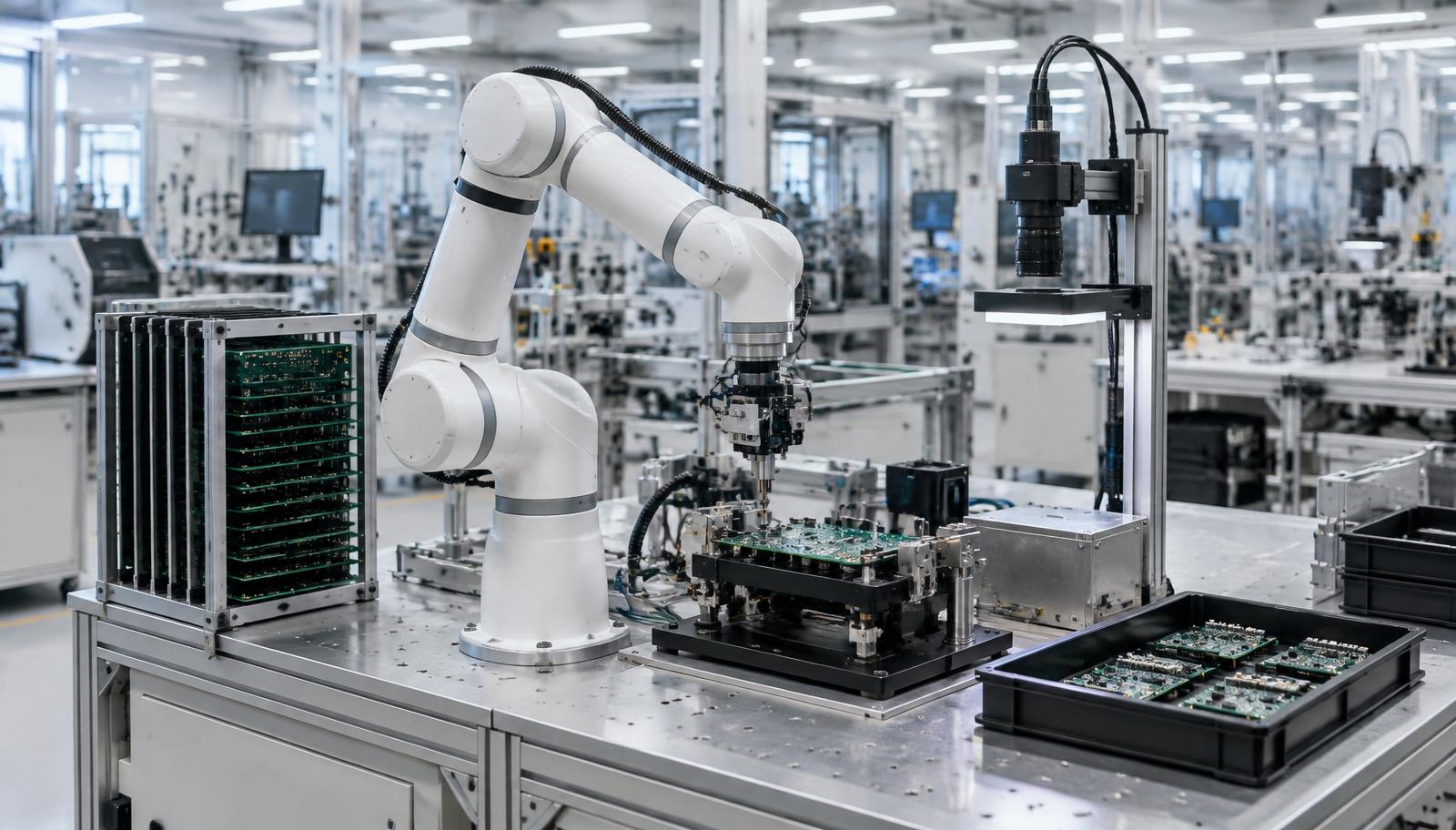
Away from the humanoid headlines, the machines making money today are still collaborative arms — 5 to 30 kg payload, computer vision, safe to work next to humans. That is what most of our customers deploy in kitchens, labs, warehouses and manufacturing cells right now. See our full cobot lineup and the live ROI calculator for realistic paybacks.
What to watch in the next two quarters
- Agility's IPO filing. First real, audited financials for a humanoid company. This resets valuations for the entire sector.
- Apollo 2 customer results. Apptronik has said fleets will be deployed at customer sites — real cycle times will tell us whether humanoids are competitive with traditional automation on cost-per-pick.
- Home pilots from 1X and Figure. These will decide whether the consumer thesis holds or the industrial thesis wins.
The honest recommendation for operators
If you are considering automation for the next 12 months, buy what already works: a cobot arm with computer vision that pays back in 12–18 months, deployed against a specific labor bottleneck. Watch humanoids, but do not wait for them.
Related: Cobot integration
Transform Your Business with SMERT Robotics
Ready to experience the benefits of hospitality automation? Our team is ready to help you get started.