Back to Blog
Vending
AI-Powered Vending: The $50B Market Opportunity
January 14, 20257 min readBy SMERT AI Team
The Vending Renaissance
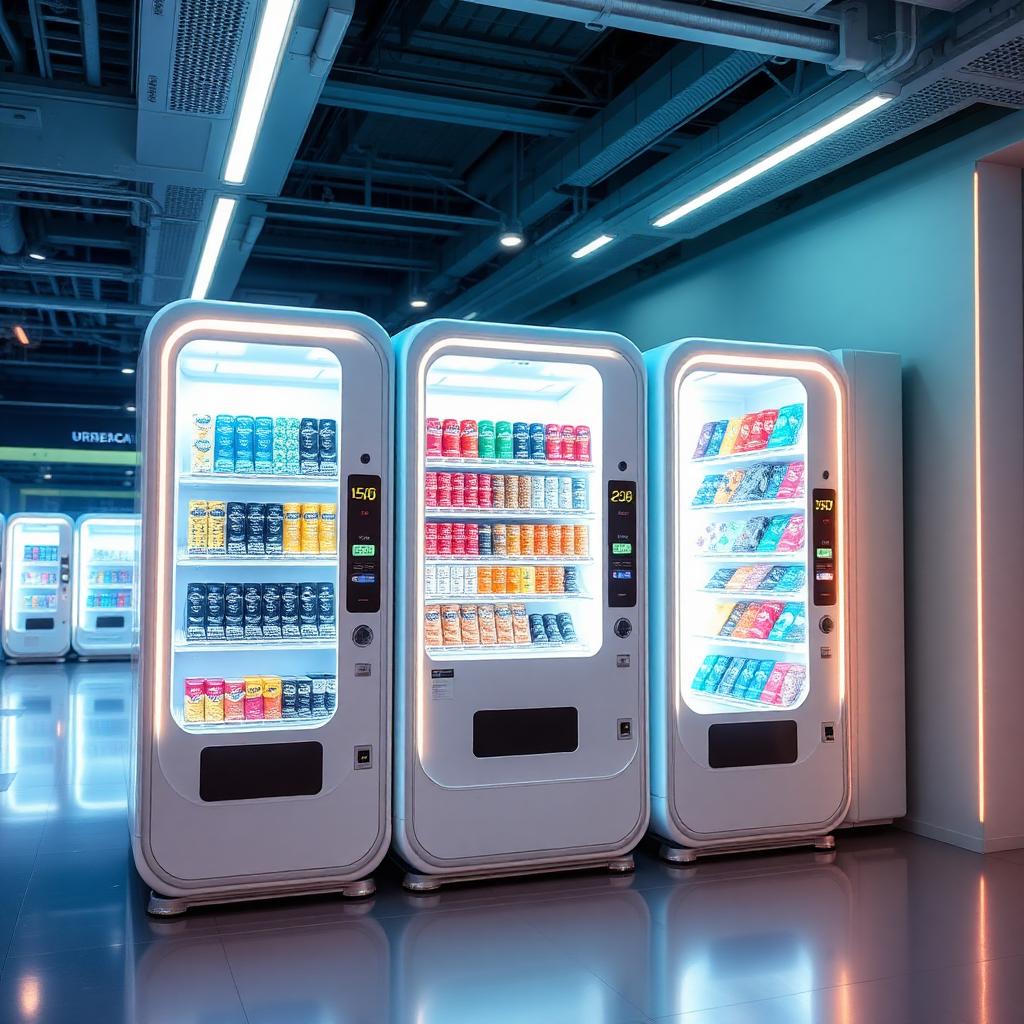
The global smart vending market is projected to reach $50 billion by 2028. AI-powered machines are driving this explosive growth.
Market Drivers
Why smart vending is booming:
- Labor cost increases making traditional retail challenging
- Consumer demand for 24/7 convenience
- Touchless payment preference post-pandemic
- IoT enabling remote management at scale
What Makes Vending "Smart"
AI capabilities transforming the industry:
- Dynamic pricing: Adjust prices based on demand, inventory, time
- Predictive restocking: Know what to refill before stockouts
- Personalized offers: Facial recognition for loyalty programs
- Remote monitoring: Real-time sales and inventory visibility
SMERT Vending Solutions
Our technology portfolio:
- Fresh food vending with robotic preparation
- Hot meal dispensing (pizza, pasta, bowls)
- Beverage robots (coffee, cocktails, smoothies)
- Retail automation (electronics, beauty, convenience)
Business Model Advantages
Why investors love smart vending:
- Low labor costs (unmanned operation)
- High margins (40-60% on prepared foods)
- Scalable deployment model
- Predictable recurring revenue
Location Strategy
Prime placement opportunities:
- Corporate offices and campuses
- Transportation hubs
- Healthcare facilities
- Universities and schools
- Residential buildings
- Entertainment venues
Investment Analysis
Typical vending business metrics:
- Machine cost: $15,000 - $75,000
- Monthly revenue per machine: $2,000 - $15,000
- Operating margin: 35-55%
- Payback period: 12-24 months
Technology Trends for 2025
What's coming next:
- Voice ordering integration
- Subscription-based access
- Micro-market ecosystems
- Autonomous restocking robots
Partnership Opportunities
Work with SMERT Vending:
- Operator partnerships
- Location partnerships
- Investor opportunities
- Technology licensing
Capture your share of the $50B market. Explore SMERT Vending.
Related: AI vending
Transform Your Business with SMERT Robotics
Ready to experience the benefits of hospitality automation? Our team is ready to help you get started.